Five waste management companies have been selected to deliver logistics and processing services for the UK’s forthcoming Deposit Return Scheme (DRS).
The appointments follow a tender process, with contracts allocated across different regions of the UK. Three nations have confirmed who has been awarded contracts, with the exception of Wales, which is yet to be decided.
The DRS is due to launch in October 2027 across England, Scotland, Wales and Northern Ireland. Exchange for Change is the Deposit Management Organisation (DMO) overseeing the scheme’s implementation across all four nations.
Russell Davies, Chief Executive of Exchange for Change, said: “The Deposit Return Scheme will transform how the UK recycles. This is not only about preventing waste from polluting our towns, countryside, rivers and beaches, but also about investing for the long term in new environmental infrastructure, jobs and opportunities across the UK.
“Together the five waste management companies will create a resilient and scalable collections network that will ensure efficient collection and processing of DRS materials.”
Exchange for Change said the initial infrastructure is expected to be operational from October 2027. This will comprise three dedicated DRS processing facilities in Scotland, Scunthorpe and Guildford, alongside two dedicated processing lines at Isle of Dogs and Newry. A shared-use plastics recycling facility in Avonmouth will also support the scheme.
A further phase of infrastructure development is planned for October 2030, when three purpose-built facilities are expected to open in Ely, Cambridgeshire; Knowsley, Merseyside; and Avonmouth.
The rollout will also involve the deployment of approximately 400 new recycling vehicles to collect eligible containers across the UK.
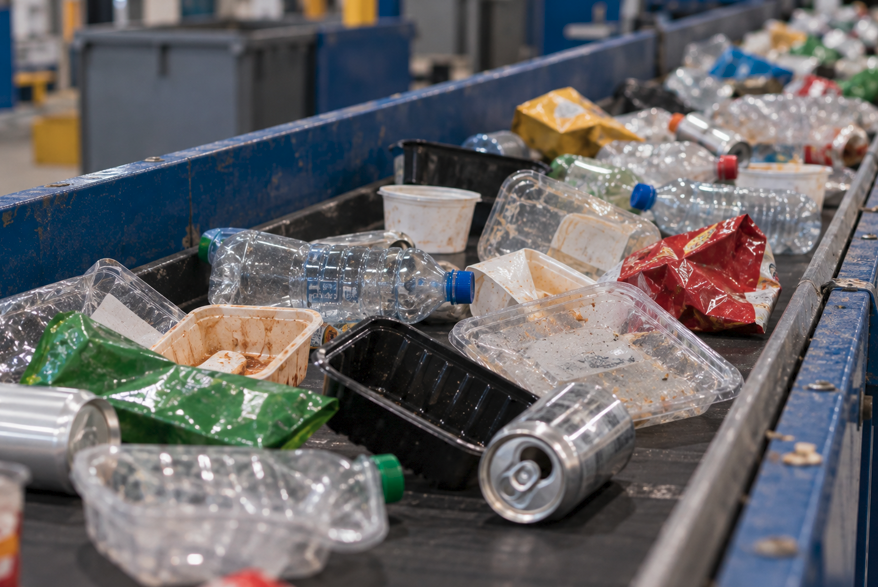
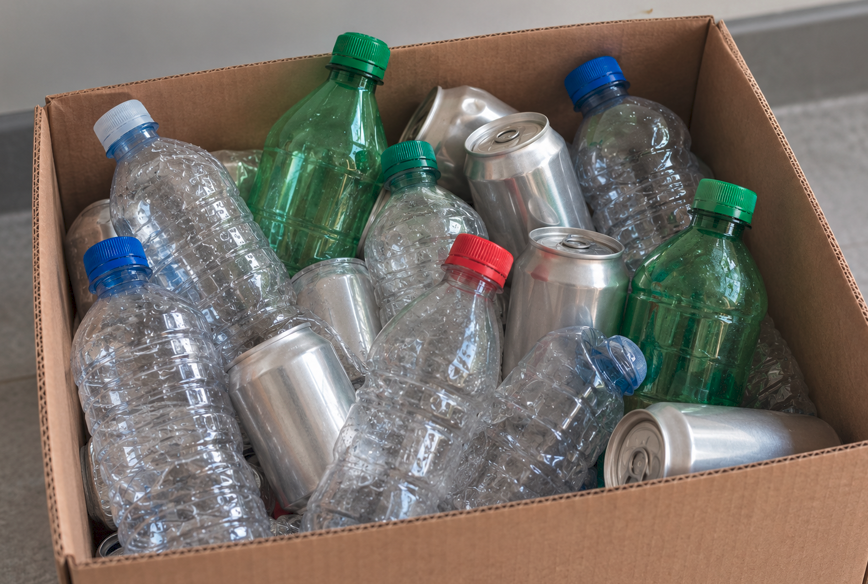
The scheme will cover single-use drinks containers with a volume of between 150ml and three litres, made from PET plastic, steel or aluminium.
A refundable deposit of 20p will be added to the purchase price of eligible drinks. Consumers will be able to recover the deposit by returning their empty containers to designated collection points.