This article was written by Genee Consulting Ltd, a consultancy partner we work with, and is shared as part of our commitment to providing helpful industry insight.
For many businesses, sustainability is no longer something that can sit on the sidelines. Customers, employees, investors and supply chains are asking more questions about environmental impact, while businesses are also having to respond to changing requirements around areas such as waste, resources and packaging.
Knowing sustainability matters and knowing what to do next, however, are two very different things.
For many businesses, the starting point isn't necessarily zero. You may already be measuring waste, managing packaging responsibilities, collecting environmental data or responding to questions from customers and supply chains. The challenge can be understanding how those activities fit together and where to focus your efforts next. You can find out why sustainability and accreditations matter to so many businesses here.
A useful starting point is to understand where your business is now by looking at the areas where you have the biggest environmental impact. That might include energy use, waste and resources, packaging, travel, procurement, water or the way your buildings are managed.
You don't necessarily need a complicated strategy from day one. Start by looking at the information you already have, identify where there are gaps and consider where there is the greatest opportunity to make a difference.
Turning Information into Action
From there, you can set some realistic priorities. There might be an opportunity to reduce waste, use resources more efficiently, improve energy efficiency, review packaging or make a different purchasing decision. Choose something achievable, measure the impact and build from there.
Environmental compliance is an important part of the picture, but it can also provide a useful foundation for wider sustainability action. The information businesses already collect around areas such as packaging, waste and resources can help identify opportunities, set priorities and demonstrate progress. The key is to make use of that information rather than simply collect it.
Through our partnership with Wastepack, this is something we're keen to support – helping businesses build on the environmental work they are already doing and take practical next steps towards a more structured approach to sustainability.
The important thing is to make sustainability part of how the business operates, rather than treating it as a separate project.
Learning From Others
It also helps to remember that you don't have to work everything out on your own. One of the most useful things businesses can do is learn from others.
Sustainability challenges are often shared, even when businesses operate in very different sectors. Seeing what another organisation has tried – including what hasn't worked – can save time and make taking the next step feel much more achievable.
Sustainability Events
That same spirit of learning from others and sharing practical experience is at the heart of two events taking place at Newcastle Civic Centre this November.
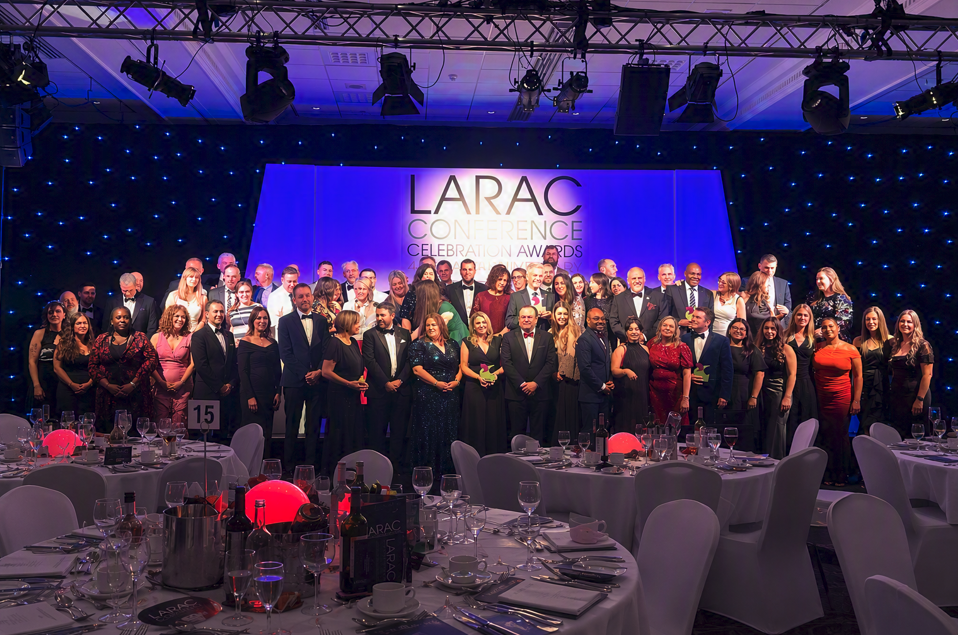
The Investors in the Environment Annual Conference on 25 November will take a broad look at sustainability under the theme Sustainability Learning, Leadership & Celebration. With a strong focus on practical delivery, the event will bring organisations together to share experiences, learn from one another and explore meaningful ways to move their sustainability work forward.
One of the things I value about the iiE community is that organisations are at very different stages of their sustainability journey. Some are taking their first steps towards a more structured approach, while others have been working on environmental improvements for many years. That creates a useful opportunity to learn from one another without expecting everyone to be in the same place.
Earlier in the month, the North East Recycling Forum Annual Conference & Awards takes place on 19th November, bringing together the region's waste and resources community. This year's conference will have a particular focus on the Deposit Return Scheme and what it could mean in practice for the sector, alongside opportunities to share experiences, make connections and learn from others working across waste and resource management.
The Next Steps
Ultimately, there isn't a single starting point for sustainability, and there isn't a perfect route through it. The important thing is to understand where you are now, identify where you could make a difference and take the next practical step.
You don't need to have everything worked out before you begin. Build on what you're already doing, choose some realistic priorities and develop your approach over time.
And don't underestimate the value of getting out and talking to others. Events, networks and conversations with businesses facing similar challenges can provide new ideas, practical examples and reassurance that you don't have to have all the answers. Sometimes hearing what someone else has tried is exactly what you need to take your own next step.
To find out more about the November events, visit Genee Consulting's events page genee.org.uk/events.
More Information
At Genee, we work with Wastepack members to help them develop practical environmental management systems through Investors in the Environment. By taking a structured approach, businesses can improve efficiency, reduce costs and demonstrate the environmental credentials that customers are increasingly looking for.
Genee Consulting Ltd is the Northern Delivery Partner for Investors in the Environment. To find out more about the accreditation and how Genee can support your sustainability journey, contact us at jo@genee.org.uk.