
A new nationwide initiative aimed at cutting waste and boosting resource efficiency across the UK economy has officially been launched.
The programme, known as Circularity in Practice, is a voluntary scheme designed to encourage organisations to rethink how materials are designed, used and managed throughout their lifecycle.
With a focus on reuse, high-quality recycling, remanufacturing and repurposing, the initiative seeks to drive practical change across multiple industries.
Circularity in Practice Launches Across UK
The launch was attended by King Charles III, whose long-standing interest in environmental issues helped inspire the scheme.
Backed by a wide range of organisations, the initiative has already secured 86 signatories.
Founding members include major firms such as Sir Robert McAlpine, JLL, Suez Recycling and Recovery UK, EMR and Tata Steel UK.
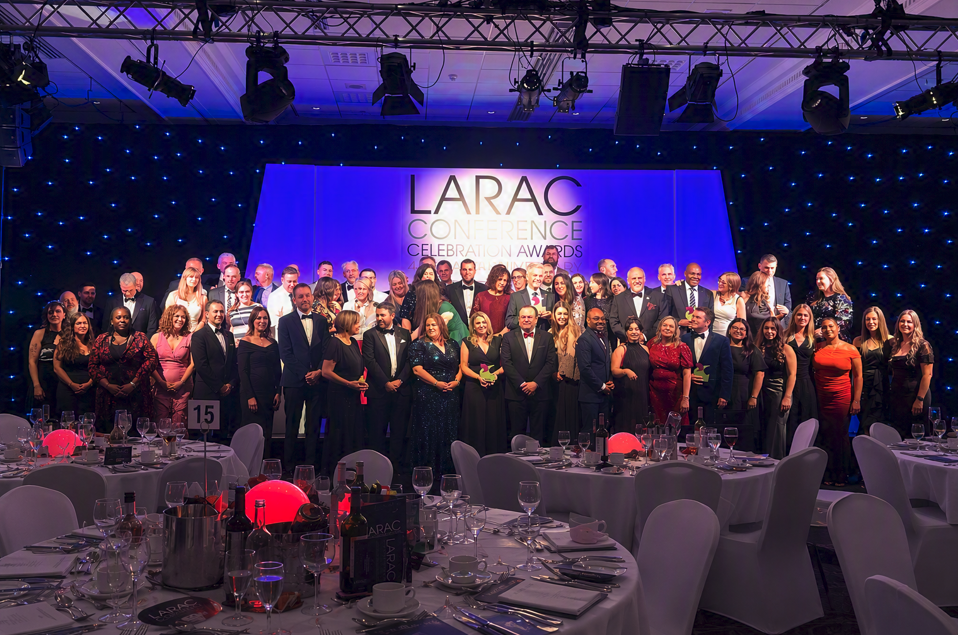
The launch event attracted around 150 businesses, including large corporations and regional SMEs.
Edward McAlpine, Chairman and Executive Partner of Sir Robert McAlpine, commented: “We recognise that the transition from a linear to a circular economy is critical for the future of the built environment.
“By prioritising circular design, resource efficiency, and high-value material reuse, we can significantly reduce our carbon footprint while preserving natural resources.”
Across Construction, Manufacturing and Waste Management
The initiative is structured around four guiding principles: planning, taking action, collaborating with partners, and sharing progress.
It aims to build momentum by encouraging businesses not only to implement circular practices but also to exchange knowledge and demonstrate tangible results.
The members span a wide range of expertise, including design, construction, materials handling and resource management, alongside companies specialising in reuse and repair.
Rather than focusing on a single material stream, Circularity in Practice takes a broad approach. Priority areas include construction materials, lighting, furniture, fixtures and fittings, as well as everyday household goods and appliances.
Many of these items are often discarded despite retaining value, making them ideal candidates for reuse, refurbishment or recycling.
Previous Circular Economy Story:
'The UK's Circular Economy Taskforce: A New Chapter in Sustainable Business [03.10.25]'